The Poles of Driel
-
What:
Walking route -
Distance:
6 km

The ‘Polen van Driel’ is a walk taking in key sites in and around Driel where the 1st Polish Independent Parachute Brigade fought during the Second World War.
The ‘Poles of Driel’ is a walk taking in key sites in and around Driel where the 1st Polish Independent Parachute Brigade fought during the Second World War. The route includes the landing sites and passes by Major-General Sosabowski’s headquarters.
This is a walk past key sites in and around Driel where, during the Second World War and Operation Market Garden, the 1st Polish Independent Parachute Brigade fought. They were here to support the encircled British troops at Oosterbeek. To reach the British troops, the Poles had to cross the Rhine at Driel.
The route – approximately 6 kilometres long – takes you past the landing sites, the Driel ferry and General Sosabowski’s headquarters, amongst other places.
The walk starts and ends at the ‘De Polen van Driel’ Information Centre and was developed by the Driel Polen Foundation.
More Airborne walking routes
Would you like to discover more walking routes in the Airborne Region themed around Operation Market Garden? Then take a look at the other walking routes in the Airborne Region!
Signposting
This walk is part of the Overbetuwe municipality’s walking network. You can easily follow the route by following the arrows. You can also extend the route using the optional sections. On the information panel at ‘De Polen van Driel’, you’ll find a map showing the connecting walking routes around Driel.
Here’s what you’ll see
-
Information Centre: De Polen in Driel
Information Centre: De Polen in Driel
On 21 September 1944, during Operation Market Garden, the 1st Polish Independent Parachute Brigade landed near the village of Driel. The consequences were far-reaching, both for the civilian population of Driel and for the Polish paratroopers. Read more
Navigate to starting point
-
Landing sites – once fields and orchards
Landing sites – once fields and orchards
On 21 September 1944, at around 5.15 pm, this was the landing site for Polish troops. Around 1,000 paratroopers were dropped here. Read more

-
The first skirmishes: German attacks repelled, casualties to be mourned.
The first skirmishes: German attacks repelled, casualties to be mourned.
Polish troops took up positions in and around Driel, including at the site of the predecessor to the post-war Baarskamp farm. During an initial German attack on one of the Polish positions, Lieutenant Richard Tice was killed in action. Read more

-
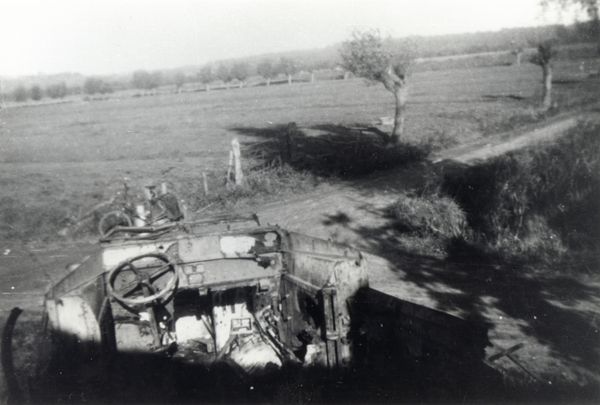
Stranded aid: Supplies fail to reach British troops in Oosterbeek
Stranded aid: Supplies fail to reach British troops in Oosterbeek
On the evening of 22 September 1944, units of the Allied ground forces – advancing from the south of the Netherlands – reached Driel. The amphibious vehicles carrying supplies intended for the British troops at Oosterbeek became stranded in the dark on the banks of the Rhine. Read more
-
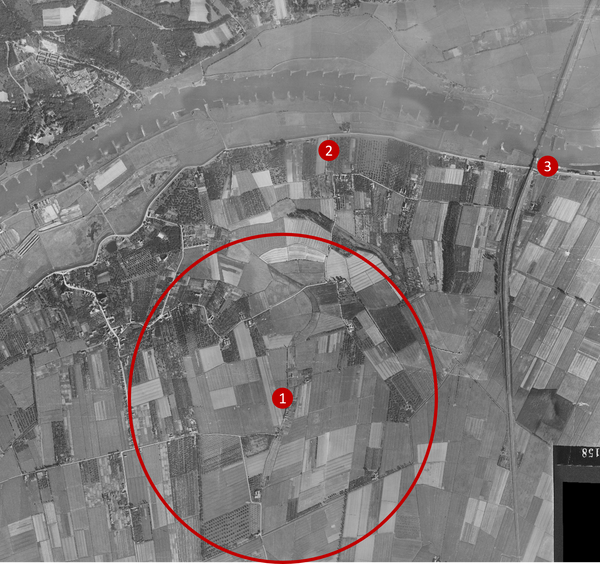
German defences behind the railway embankment open fire on Polish troops
German defences behind the railway embankment open fire on Polish troops
Following the landing of the Polish paratroopers, the German commander quickly deployed troops from the east, who took up positions behind the railway embankment. This ‘Sperrverband Harzer’ bombarded the Polish troops, primarily using (heavy) artillery. Read more
-
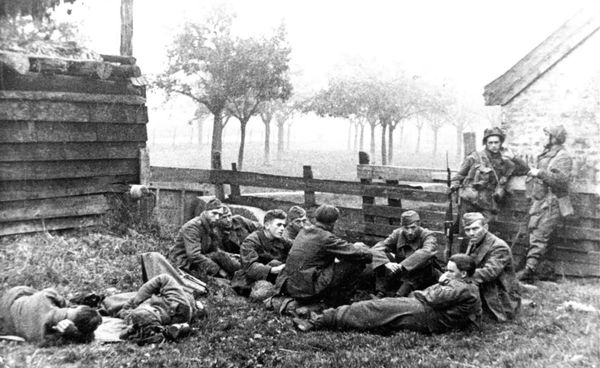
De Nevel: Poles take up positions around Driel
De Nevel: Poles take up positions around Driel
As the Polish troops were unable to cross the Rhine on the very first night, they took up positions around Driel. They also guarded prisoners of war here. It turned out that there were two Poles amongst the German prisoners of war. Read more
-
The Dorsets’ attempt – doomed to failure
The Dorsets’ attempt – doomed to failure
On the night of 24–25 September 1944, following two previous failed attempts by the Poles, a final operation was undertaken to reinforce the British troops in Oosterbeek. Read more

-
The Driel ferry – disabled by German troops and rendered unusable by the Poles
The Driel ferry – disabled by German troops and rendered unusable by the Poles
The Polish troops’ initial objective was to reach the British forces via the Rhine using the Driel ferry. However, the ferry proved unusable. The ferry operator had disabled it on 20 September to prevent German troops from using it. Read more

-
Headquarters and bust of Major-General Stanisław Sosabowski
Headquarters and bust of Major-General Stanisław Sosabowski
The bust of Major-General Stanisław Sosabowski overlooks his headquarters at 12 Molenstraat. In September 1944, this house was the home of miller Beijer. On the morning of the 22nd, the general established his headquarters there. Read more

-
The Household Cavalry is coming to reinforce the Polish troops with eight armoured vehicles
The Household Cavalry is coming to reinforce the Polish troops with eight armoured vehicles
Early in the morning on Friday 22 September 1944, units of the Household Cavalry, under cover of a thick layer of fog, reached the Polish soldiers. Read more

-
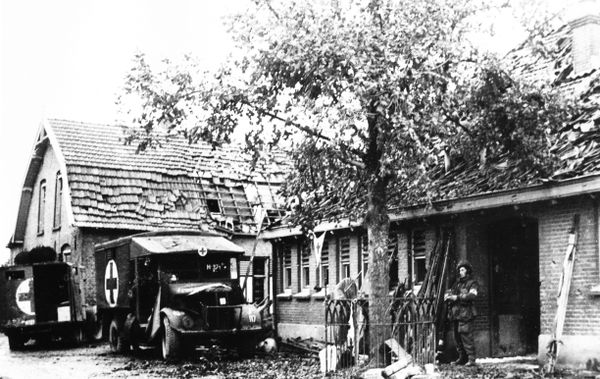
The emergency hospital in the school – Performing surgery whilst wearing flak jackets
The emergency hospital in the school – Performing surgery whilst wearing flak jackets
The medical company of the Polish Parachute Brigade chose the Roman Catholic primary school as a makeshift hospital. The medical staff ultimately treated a total of 159 wounded people: Polish and British soldiers and Dutch civilians. Read more
-
Battles around the Dorpstraat on the southern edge of Driel
Battles around the Dorpstraat on the southern edge of Driel
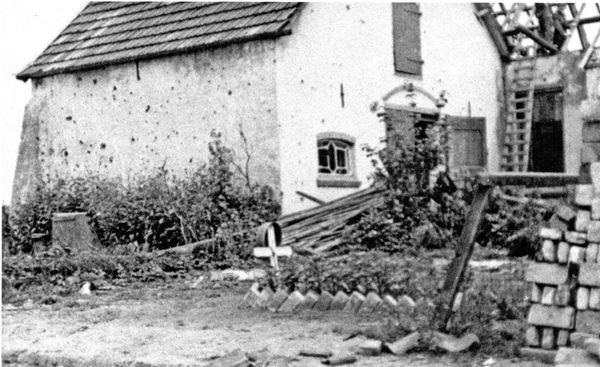
Polish troops had taken up positions at the T-junction of Dorpstraat and Honingveldsestraat. When the German troops launched their attack on 23 September, the Poles were forced to retreat in haste. Read more
-
The Roman Catholic parish hall, converted into a first-aid post
The Roman Catholic parish hall, converted into a first-aid post
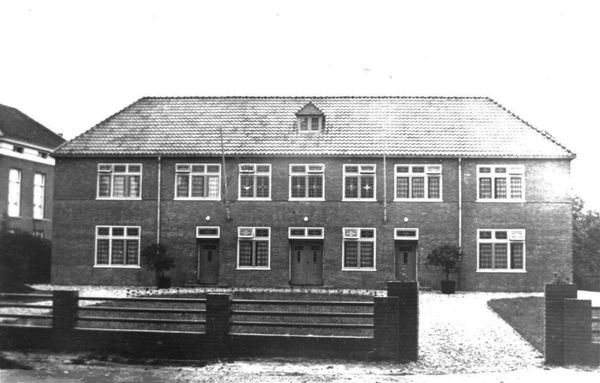
At the start of the Battle of Arnhem, under the leadership of the local female GP, Dr A. van den Burg-van der Poel, the Roman Catholic parish hall was set up as a modest first-aid post for civilians. Read more
-
The monument on Plac Polski and the annual commemorations in Driel
The monument on Plac Polski and the annual commemorations in Driel
On 21 September 1946, a simple monument was unveiled to commemorate the events of two years earlier. The current monument was erected 15 years later. The dedication of the Polish soldiers is commemorated here every year. Read more

-
Listening spot: De Polen van Driel
Listening spot: De Polen van Driel
General Sosabowski and his First Polish Independent Parachute Brigade showed great courage during the Battle of Arnhem. It is only in recent years that their significant contribution to the liberation of the Netherlands has been formally recognised. Read more

-
The Catholic church: from viewpoint to information centre
The Catholic church: from viewpoint to information centre
On 24 September 1944, Lieutenant-General Brian Horrocks, commander of the ground forces, visited Driel. Together with Major-General Sosabowski and three other British officers, he surveyed the situation across the Rhine from the church tower. Read more
Navigate to destination


