Niemandsland War Museum
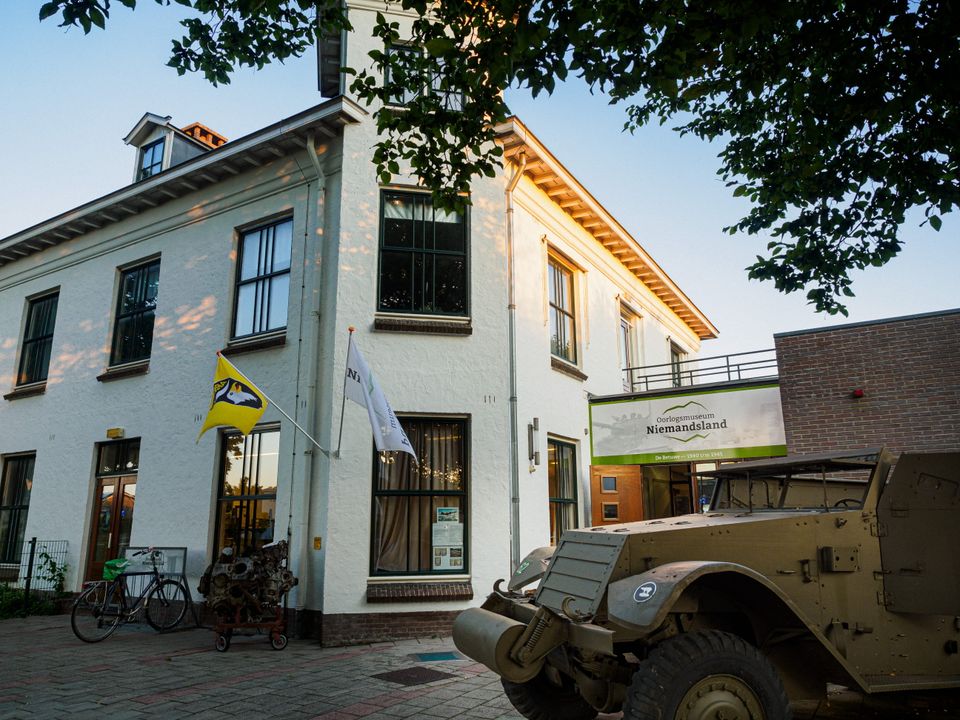
Why do people choose the Niemandsland War Museum?
- Specifically tells the story of 198 days of fighting in the Betuwe
- Personal stories combined with authentic artefacts and interactive displays
- Historical jeep tours past sites where actual battles took place
- Comprehensive educational programmes, including ‘No Man’s Land on Wheels’
Who is this a good place for?
For those who want to learn more about the Second World War beyond the well-known stories of Arnhem and Nijmegen, the Niemandsland War Museum focuses specifically on the Betuwe, where heavy fighting raged for months following Operation Market Garden.
It’s also a great place to visit with children and young people. Personal stories, interactive displays and real artefacts bring history to life. The museum also places great emphasis on education and has its own Junior Brigade.
When will you be popping by?
On Thursdays and Fridays, you’ll have the most time to visit during the day. At the weekend, the museum opens at 12 noon. You can also visit on Monday evenings.
Last admission is at 4.15 pm. So don’t arrive too late if you want to view the exhibition at your leisure. The museum is closed on Tuesdays and Wednesdays.
What can you expect?
Unifor…
Who is this a good place for?
For those who want to learn more about the Second World War beyond the well-known stories of Arnhem and Nijmegen, the Niemandsland War Museum focuses specifically on the Betuwe, where heavy fighting raged for months following Operation Market Garden.
It’s also a great place to visit with children and young people. Personal stories, interactive displays and real artefacts bring history to life. The museum also places great emphasis on education and has its own Junior Brigade.
When will you be popping by?
On Thursdays and Fridays, you’ll have the most time to visit during the day. At the weekend, the museum opens at 12 noon. You can also visit on Monday evenings.
Last admission is at 4.15 pm. So don’t arrive too late if you want to view the exhibition at your leisure. The museum is closed on Tuesdays and Wednesdays.
What can you expect?
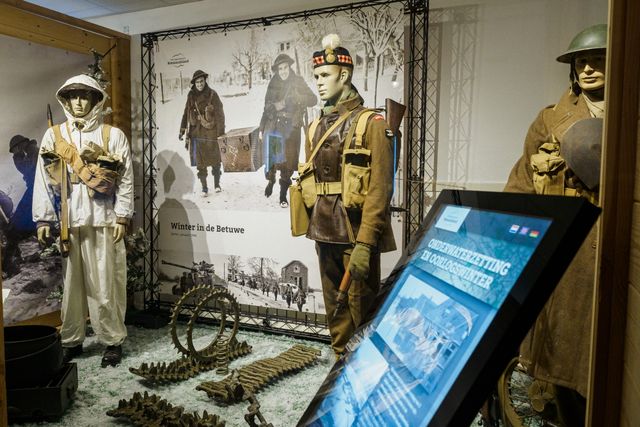
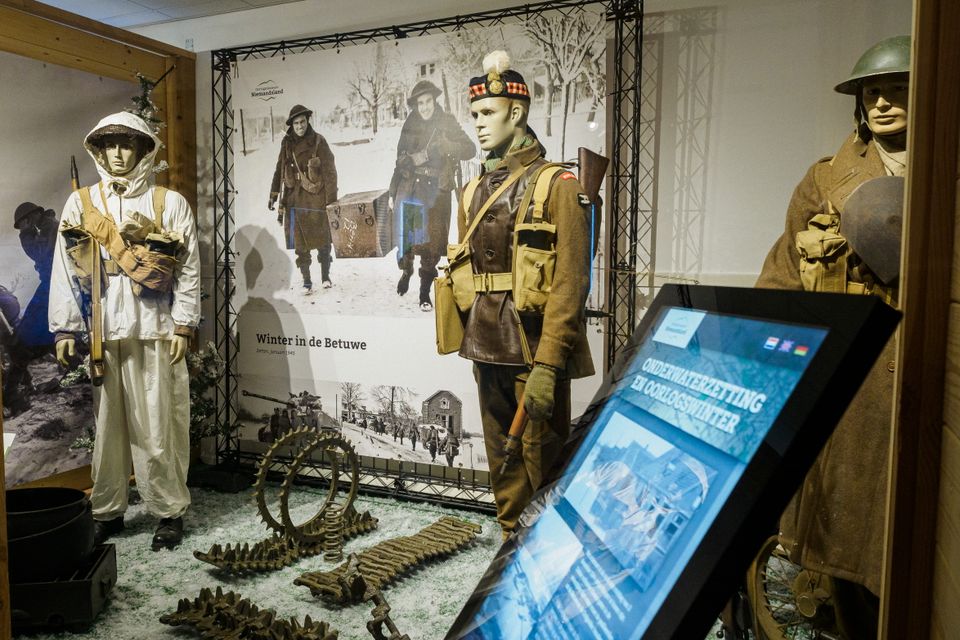
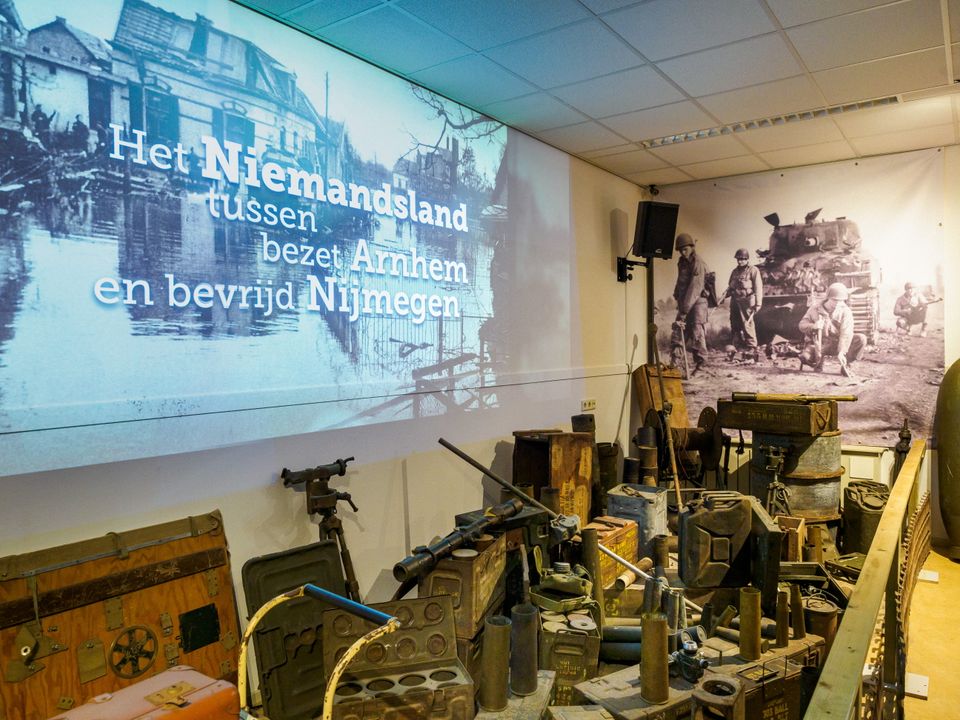
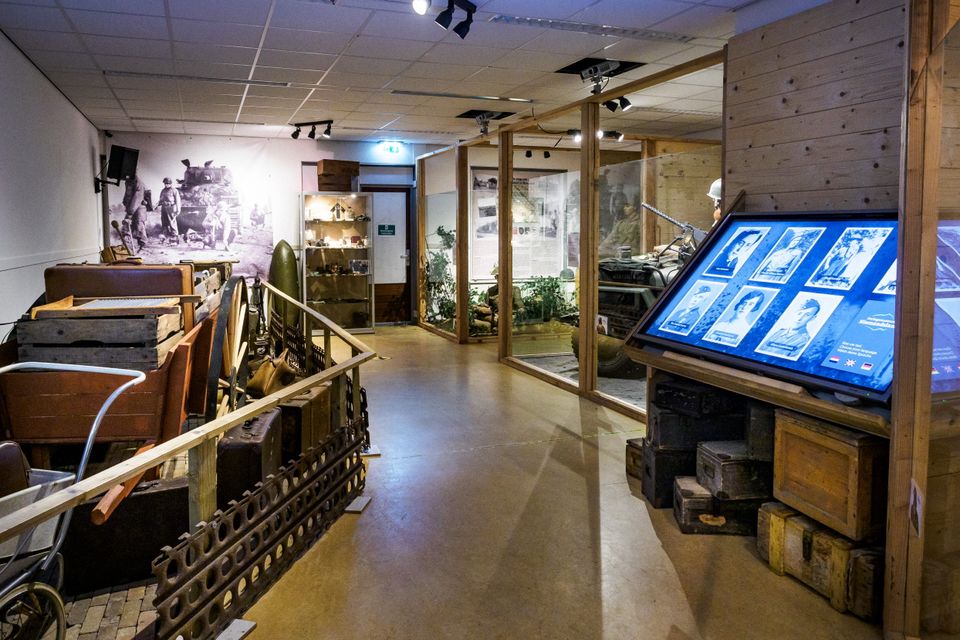
Uniforms, everyday objects, documents, vehicles and dioramas tell the story of what civilians and soldiers experienced in the Betuwe. Interactive screens add personal stories. The exhibition explores various aspects of the conflict: the local population, Allied soldiers and German soldiers. As such, the museum isn’t just about weapons and battles, but also about everyday life in a frontline area.
198 days of fighting in the Betuwe
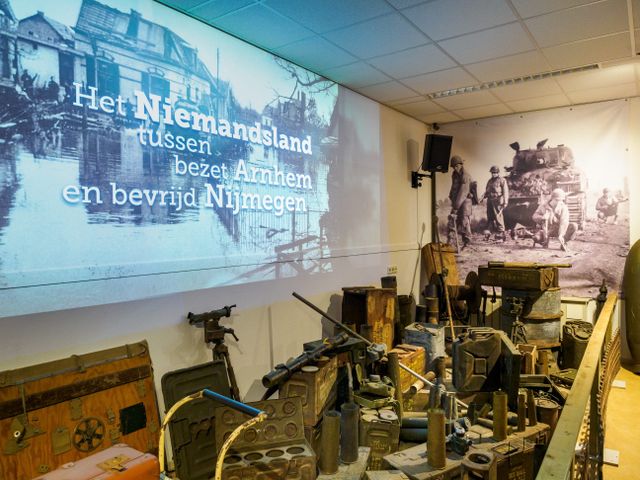
Following Operation Market Garden, a large part of the Betuwe found itself caught between the warring parties. The area became known as ‘The Island’. The front line remained here for months.
The Niemandsland War Museum focuses specifically on this period. In doing so, it tells a regional story that is less well known outside the Betuwe, but which had a major impact on the villages and residents in the area.
Personal stories take centre stage
The collection comprises objects linked to events and people from the region. It is precisely the stories behind these objects that are given plenty of attention.
You’ll discover how civilians tried to carry on with their lives in an area where fighting raged for months on end. At the same time, you’ll learn about the experiences of soldiers on both sides of the front line. Information kiosks and interactive displays provide further background.
Exploring the Betuwe in a vintage jeep
Would you like to explore the places where history unfolded outside the museum? Then you can book a jeep tour.
On the ‘Betuwe in Wartime’ tour, you’ll first receive a briefing at the museum, followed by a roughly 2.5-hour tour in a vintage jeep taking in key sites in the region. The ‘Band of Brothers – The Island’ tour visits locations linked to Easy Company of the 101st Airborne Division.
You’ll need to book in advance for a jeep tour.
Education and ‘No Man’s Land on Wheels’
The museum runs various educational programmes. One particular highlight is ‘No Man’s Land on Wheels’.
A converted 1943 GMC truck visits schools, where it uses interactive screens to tell the story of the Second World War in the Betuwe. Pupils can combine the programme with a visit to the museum.
Practical information
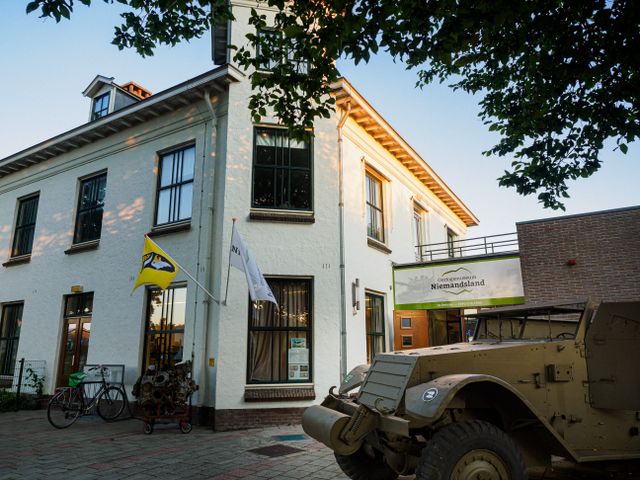
The museum is situated on Nijmeegsestraat in Gendt. Parking is available at the venue. The building has a wheelchair-accessible entrance and a wheelchair-accessible toilet.
For a standard visit, you do not need to book a ticket in advance. Tickets are available both online and at the ticket office.
No clear, up-to-date visitor information has been published regarding bringing dogs. If you wish to bring a dog, please contact the museum in advance.
When are you welcome?
On Mondays, the museum is open from 7.30 pm to 9.30 pm. On Thursdays and Fridays, you can visit from 10.00 am to 5.00 pm. On Saturdays and Sundays, the museum is open from 12.00 pm to 5.00 pm.
The museum is closed on Tuesdays and Wednesdays. Last admission is at 4.15 pm.
A standard ticket costs €9.95. Children aged 8 to 12 pay €6.50. Children under 8 get in for free.
Our tip for your visit
Check in advance whether a jeep tour would suit your visit. It’s right outside the museum that you can see where the stories unfolded. Travelling in a historic jeep past sites from the battle, the landscape around Gendt and the Betuwe suddenly takes on a whole new meaning.
Contact
War Museum Nijmeegsestraat 19a
6691 CK Gendt Plan your route to the Niemandsland War Museum
Opening hours
- Every Monday 7.30 pm – 9.30 pm
- Every Tuesday closed
- Every Wednesday closed
- Every Thursday 10.00 – 17.00
- Every Friday 10.00 – 17.00
- Every Saturday 12.00 – 17.00
- Every Sunday 12.00 – 17.00
- Please note: opening hours may vary on public holidays
Prices
-
Adults and young people aged 13 and over: €9.95
Children aged 8 to 12: €6.50
Children aged 7 and under: free
Jeep tour for adults: €100 per person
Jeep tour for children: €50 per person
Features
Have a look around
What visitors say
A small museum, a great story from the Betuwe
4.5
The volunteers’ personal stories and knowledge make a big impression. Visitors particularly appreciate the dioramas, authentic artefacts and clear explanations of the fighting in the Betuwe. The historic vehicles are also frequently mentioned. The museum isn’t large, but it is precisely its regional focus that allows you to discover a lesser-known aspect of the Second World War here.
Frequently asked questions
The museum tells the story of the Second World War in the Betuwe. The focus is on the 198 days during which the area remained a frontline zone following Operation Market Garden. Personal accounts from civilians and military personnel play a key role in this narrative.
After Operation Market Garden, a large part of the Betuwe lay between the front lines. Many residents had been evacuated and the area was largely deserted. This is how the name ‘No Man’s Land’ came into use.
You’ll see, amongst other things, historic vehicles, military equipment, clothing, photographs, documents and personal effects. There are also dioramas and interactive displays about the war in the Betuwe.