Stationsweg 8

For seven days, the Stationsweg in Oosterbeek formed the eastern boundary between British and German forces. The British defended the western side of the street and took shelter in the houses there. The German forces were stationed in the Dennenkamp woods on the other side of the road. These woods have since been completely replaced by buildings. The houses on Stationsweg were defended by soldiers from the 21st Independent Parachute Company, glider pilots and Polish troops from the 3rd Battalion, Independent Polish Parachute Brigade, including the house at Stationsweg 8.
Stationsweg 8 was once home to Mrs Kremer-Kingm…
For seven days, the Stationsweg in Oosterbeek formed the eastern boundary between British and German forces. The British defended the western side of the street and took shelter in the houses there. The German forces were stationed in the Dennenkamp woods on the other side of the road. These woods have since been completely replaced by buildings. The houses on Stationsweg were defended by soldiers from the 21st Independent Parachute Company, glider pilots and Polish troops from the 3rd Battalion, Independent Polish Parachute Brigade, including the house at Stationsweg 8.
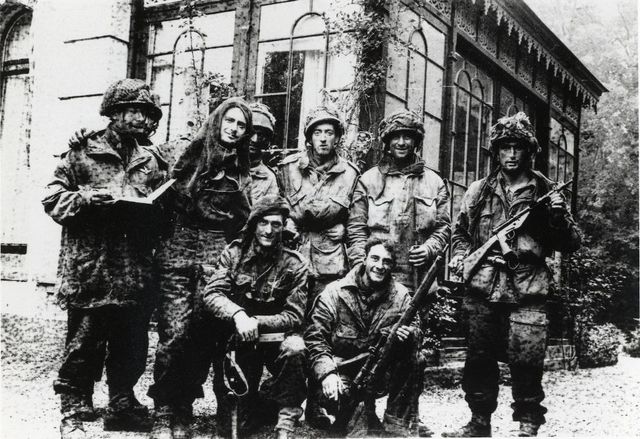
Stationsweg 8 was home to Mrs Kremer-Kingma and her family. On Wednesday 20 September, British soldiers took up position in her house to defend the perimeter. The soldiers occupied the ground floor and first floor, whilst the family took shelter in the cellar. In addition to the four family members, eleven other civilians were staying in the cellar. Mrs Kremer-Kingma regularly came up from the cellar to speak to the soldiers and took photographs whilst she was there. For example, she photographed a group of soldiers from the 21st Independent Parachute Company in the back garden. Corporal Hans Rosenfeld (far right) is also pictured here. He was a Jewish man from Germany who had fled to the United Kingdom with his younger sister in 1939. He joined the British Army and served under the name John Peter Rodley.
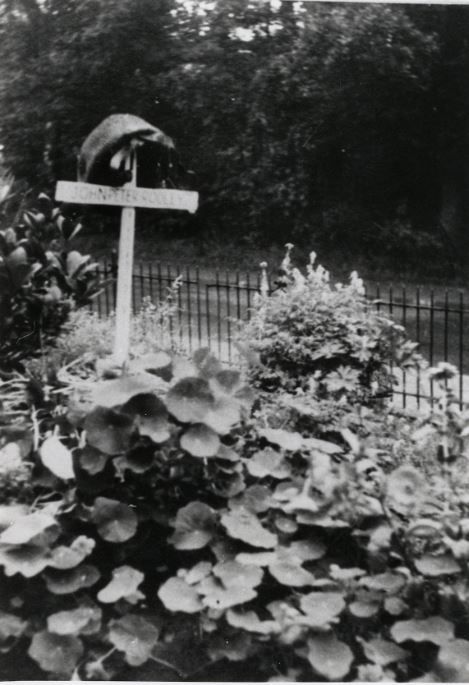
Rosenfeld died in his foxhole in the garden of Stationsweg 8 when he was struck by a ricocheting piece of shrapnel. The word ‘ricochet’, which the British soldiers had to explain to Mrs Kremer-Kingma, remained written on the wall for 20 years.