Duno (Duinoog)

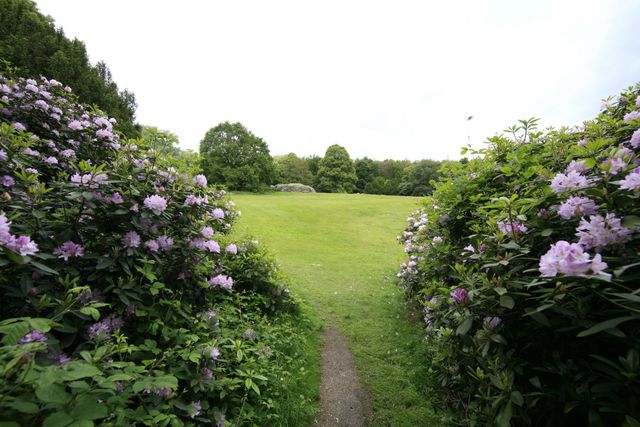
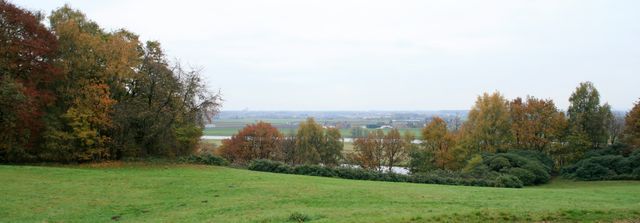
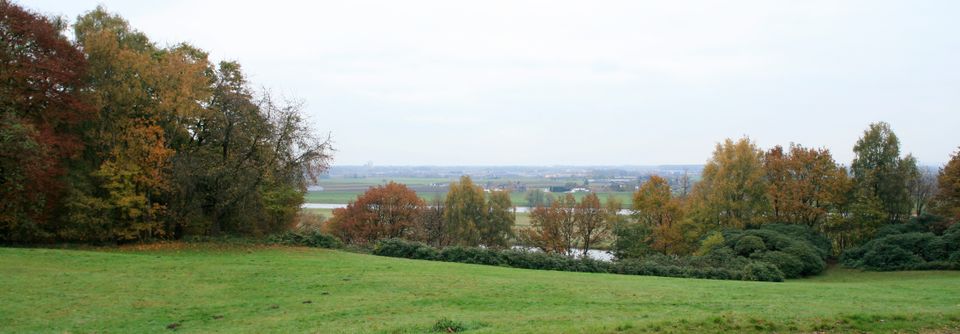
Duinoog, or Duno, is an 18th-century country estate situated on the edge of a moraine. The landscape park was created from 1800 onwards and features, amongst other things, a gazebo, a tea pavilion, greenhouses, a rose garden, a belvedere and various concrete rock formations (rustic cement). In 1907, the estate was expanded to include the forests of Doorwerth and the Westerbouwing. In 1915, the garden village of Heveadorp was built on part of the estate. Around 1926, a rose garden was laid out and views across the Rhine were cleared (design: Samuel Voorhoeve). De Duno came into the possession of Geldersch Landschap in 1931, following the death of its owner, O. van Vloten. The nineteenth-century country house, which was then in use as a hotel, was lost during the Second World War. The floor plan of the hotel and the foundations of the tea pavilion have been laid bare. Within the surrounding park and woodland, the azalea avenue is particularly noteworthy. In the woodland lies the restored Cascadedal, built of rusticated concrete.
It’s that busy
The information from the Crowd Radar is sourced from digital data sources and supplemented with local experts’ knowledge of crowd levels.

Opening hours
- Park open to the public