The Polen near Driel

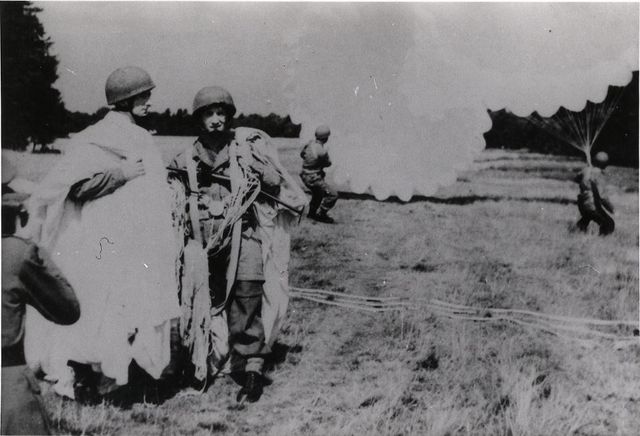
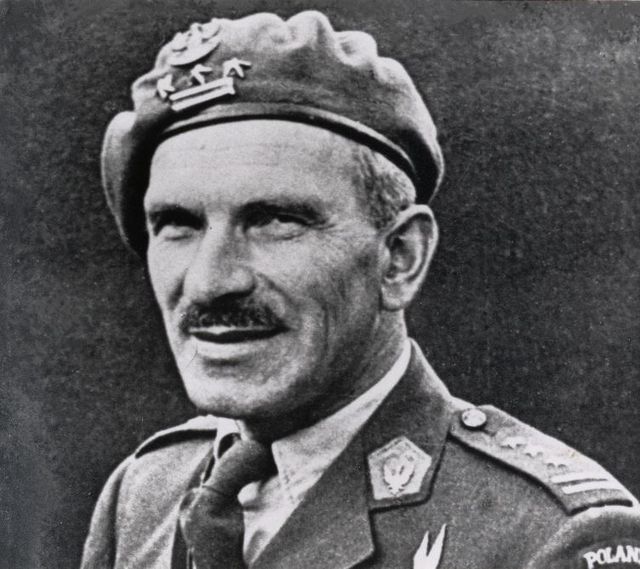
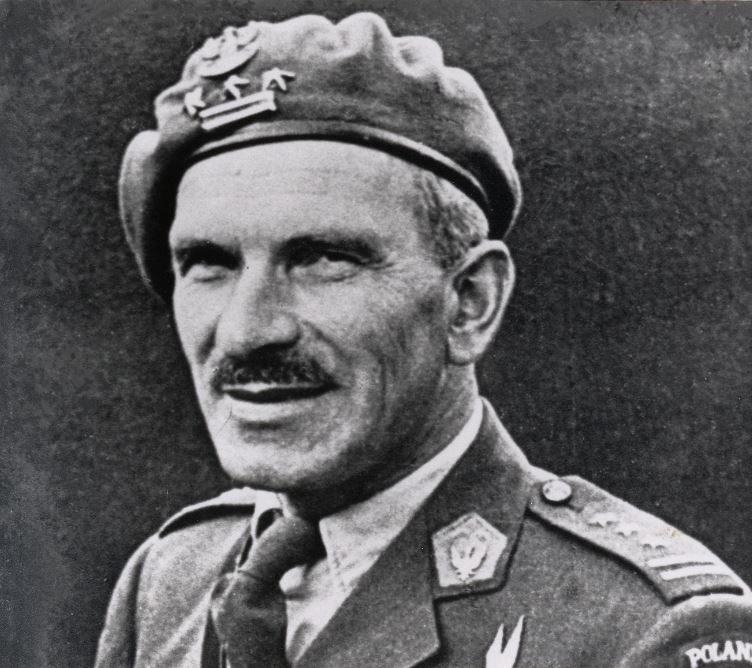
On the southern bank of the Rhine, near the church tower, lies the village of Driel. On 21 September, over 1,000 Polish paratroopers landed here. The Polish soldiers, led by General Sosabowski, had to cross the Rhine to support the British in the perimeter.
The Polish brigade had been promised a ferry with which they could cross the Rhine to reach the British. Once in the Netherlands, however, it turned out that this was no longer available. That evening, the Polish troops nevertheless attempted to reach the other side in a few rubber dinghies. The crossing was dangerous. The boats came under heavy German fire and the operation had to be abandoned. Only 150 soldiers managed to reach the other side.
Although only a small part of …
On the southern bank of the Rhine, near the church tower, lies the village of Driel. On 21 September, over 1,000 Polish paratroopers landed here. The Polish soldiers, led by General Sosabowski, had to cross the Rhine to support the British in the perimeter.
The Polish brigade had been promised a ferry with which they could cross the Rhine to reach the British. Once in the Netherlands, however, it turned out that this was no longer available. That evening, the Polish troops nevertheless attempted to reach the other side in a few rubber dinghies. The crossing was dangerous. The boats came under heavy German fire and the operation had to be abandoned. Only 150 soldiers managed to reach the other side.
Although only a small part of the Polish brigade was actually able to support the British, their presence was of great importance. The airdrop of Polish troops south of the Rhine meant that German forces had to split their forces to defend the road from Arnhem to Nijmegen as well as attacking the perimeter. In addition, the Poles who managed to reach the perimeter provided much-needed relief and reinforcements.