Where can you go birdwatching in Gelderland? The Arnhem region is one of the finest places for birdwatching. From the floodplains along the Rhine and IJssel to the woods and heathland of Veluwezoom National Park: dozens of bird species live here all year round. In this article, you’ll discover five locations where you can spot remarkable birds, from kingfishers and spoonbills to the rare great grey shrike. Experienced birder Benno van den Hoek also shares his tips for beginners.
1. Birdwatching from the hide in Meinerswijk
2. Spotting migratory birds in the Velperwaarden
3. Birdwatching on the Veluwe near the Posbank
4. Viewing waterbirds at the Hondsbroekse Pleij
5. Looking for woodpeckers in Sonsbeek Park and Zijpendaal Park
6. Tips for the novice birdwatcher
Good to know: Birds are often most active early in the morning and at dusk. Take a pair of binoculars with you and move quietly. Stay on the paths and keep a safe distance from nests and resting birds. The species you see vary depending on the season.
1. Birdwatching from the hide in Meinerswijk
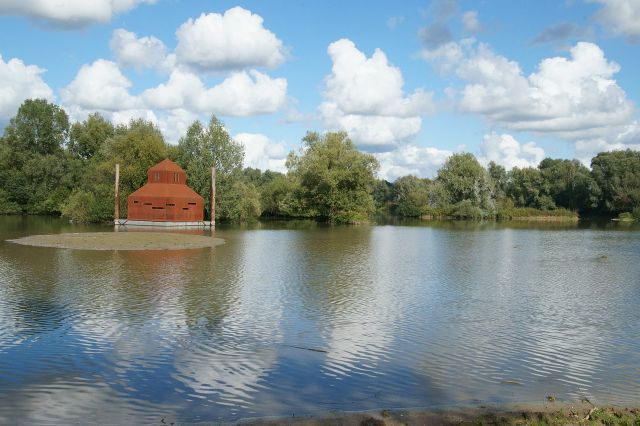
Are you just getting started with birdwatching? Then the birdwatching hut in Meinerswijk is a lovely spot. The steel hut stands in the water and is a striking work of art in its own right. From the sheltered opening, you can gaze peacefully out over the ponds and riverbanks.
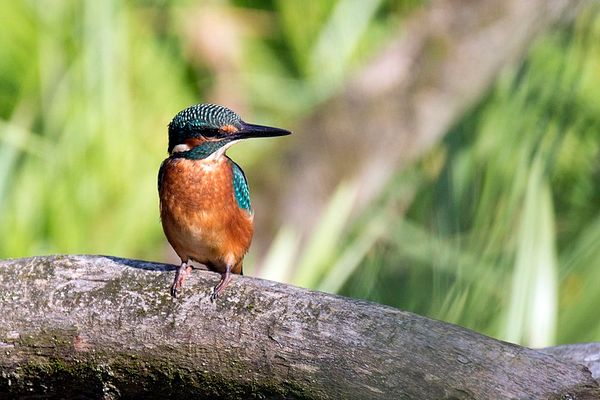
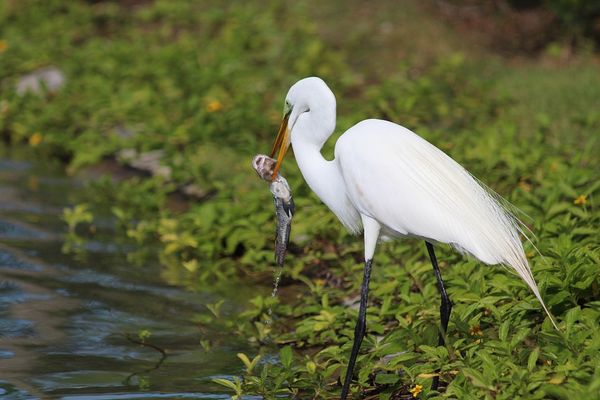
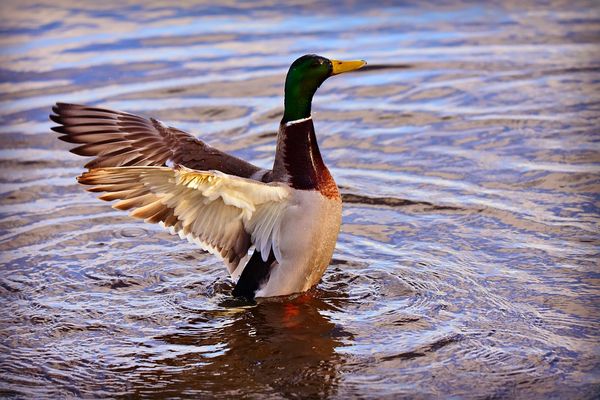
This water-rich nature reserve is home to many ducks and waders. Take a close look at low-hanging branches over the water too – a bright blue kingfisher might suddenly be perched there. You can recognise a great white egret by its long neck and white plumage.
- Location: Meinerswijk nature reserve in Arnhem
- Access: use the western entrance on Drielsedijk
- Tip: check the map at the entrance for directions to the cabin

Which birds can you spot here?
-
Kingfisher
-
Great White Egret
-
Wading birds
-
Ducks
2. Spotting migratory birds in the Velperwaarden
The Velperwaarden lie between Velp and the River IJssel. Grasslands, fields, copses and shallow pools alternate here. This variety attracts a wide range of birds all year round.
In spring and autumn, waders and ducks use the lakes as resting places during their migration. Spring brings, amongst others, black-tailed godwits, spoonbills, snipes and redshanks. In winter, flocks of white-fronted geese, barnacle geese and greylag geese fill the grasslands.
Listen out for the hawthorn hedgerows too. There you might sometimes hear the grasshopper warbler, the lesser whitethroat, the ring ouzel or the blackcap. With plenty of patience, you might even spot less common species, such as the whinchat, the dunlin or the garganey.
- Location: floodplains between Velp and the IJssel
- Best time to visit: spring and autumn for migratory birds, winter for large flocks of geese
- Tip: bring a pair of binoculars to spot birds on the water and in the fields


3. Birdwatching in the Veluwe near the Posbank
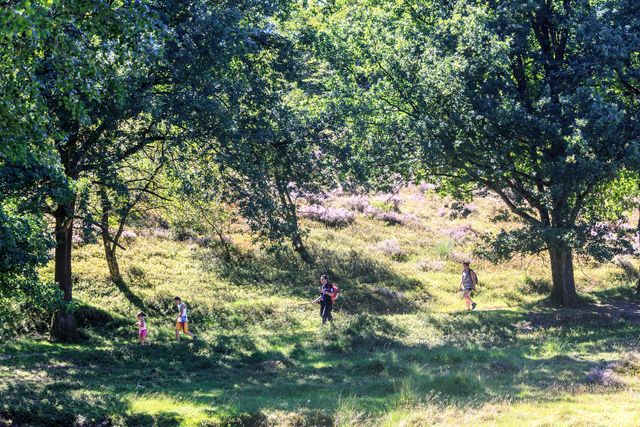
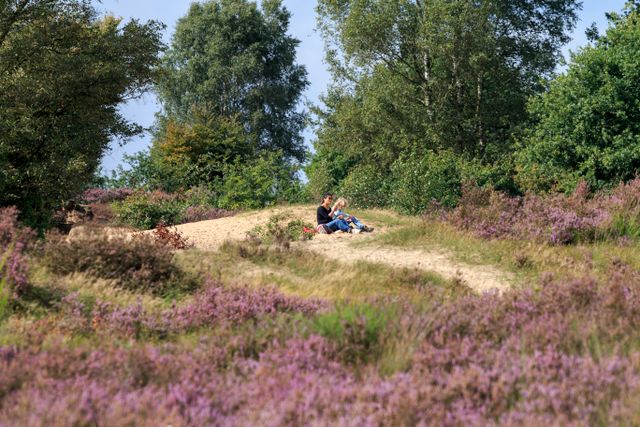
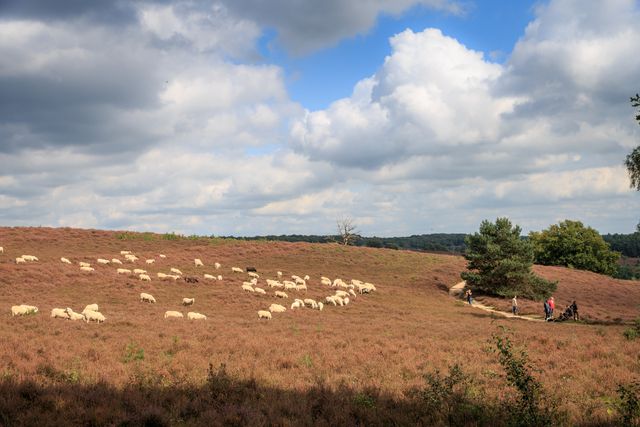
Where can you go birdwatching in the Veluwe? Veluwezoom National Park is an excellent choice. Around the Posbank, you can walk through woods and across vast heathlands. From the higher ground, you can look out far across the undulating landscape. Veluwezoom National Park is renowned for its varied terrain, woods, heathland and sweeping views.
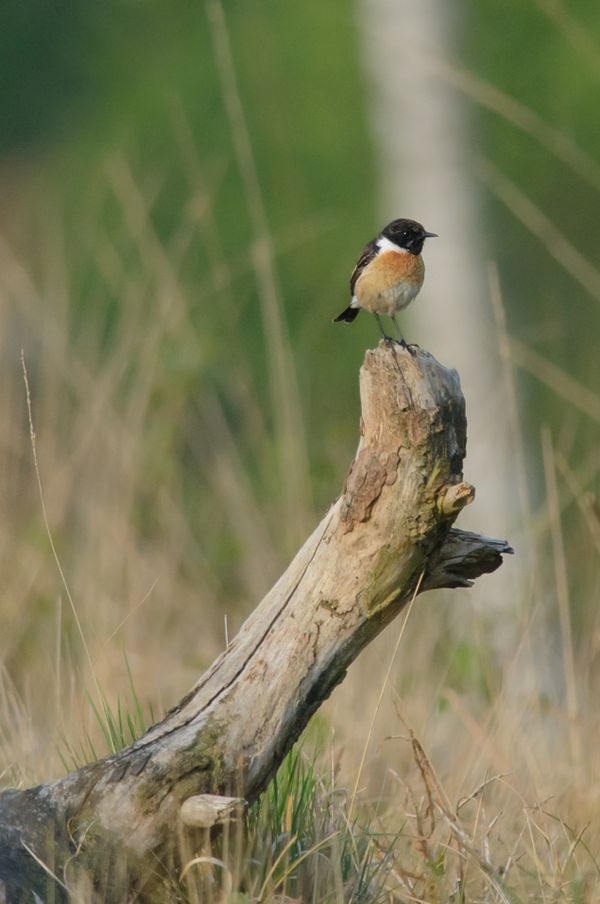
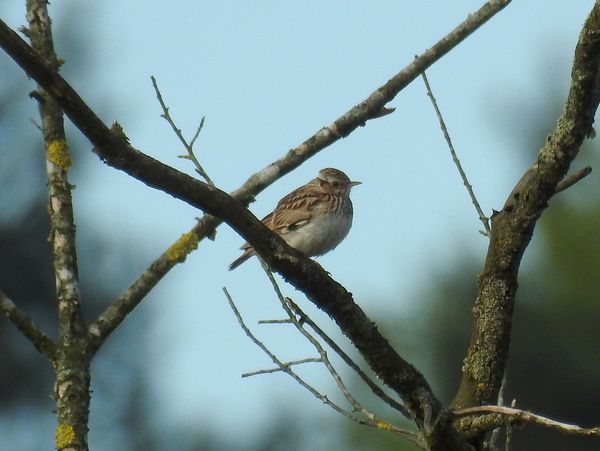
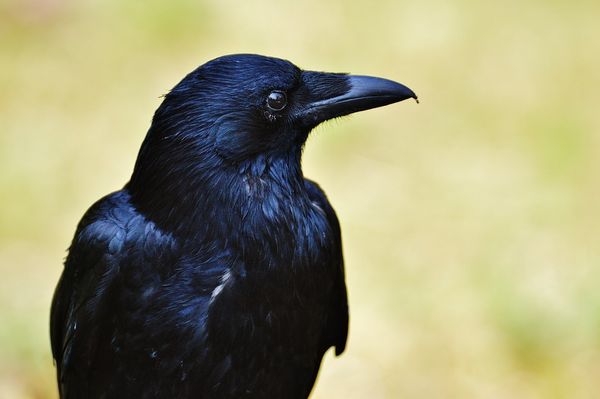
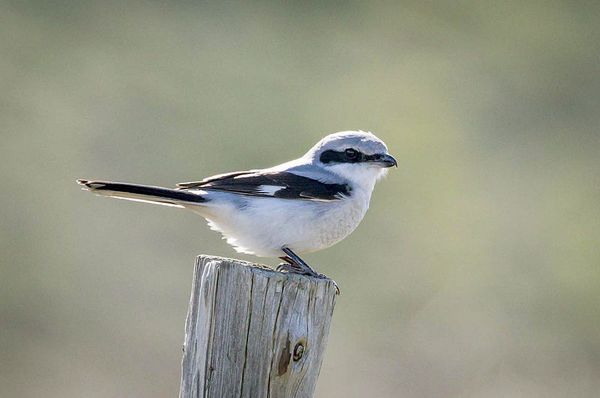
Keep an eye out for a raven high above the trees. On the heath, you might spot a tree lark or a stonechat. In winter, a great grey shrike sometimes makes an appearance. This bird often perches on a high branch or bush, from where it surveys its surroundings. Editor’s tip: would you like to combine birdwatching with a walk across the Posbank? Then follow the ‘Happen en Stappen’ walk organised by Paviljoen de Postbank. During this eleven-kilometre walk, you’ll start with a cup of coffee or tea and a pastry, enjoy a delicious bowl of soup at Koetshuis Rhederoord, and round off the day with lunch at the Paviljoen.
- Location: Veluwezoom National Park, Beekhuizenseweg 1, Rheden
- Top viewing tip: look up into the sky and down among the low bushes
- Opening hours of Paviljoen de Postbank: daily from 10.00 to 17.00
- Find all the information about the ‘Happen en Stappen’ route on the website
- Read all our tips for a day out on the Veluwezoom
Which birds can you spot here?
-
Stonechat
-
Tree lark
-
Raaf
-
Klapekster
-
Paviljoen de Posbank
Paviljoen de Posbank
In the heart of the Posbank, you’ll find Paviljoen de Posbank, the perfect starting or finishing point for your time in nature. More info about Paviljoen de Posbank
RHEDEN

4. Birdwatching at the Hondsbroekse Pleij
The Hondsbroekse Pleij is situated near Westervoort, where the Pannerdensch Canal and the River IJssel meet. Here you’ll find marshes, grasslands and ponds. This combination makes the area attractive to many species of birds.
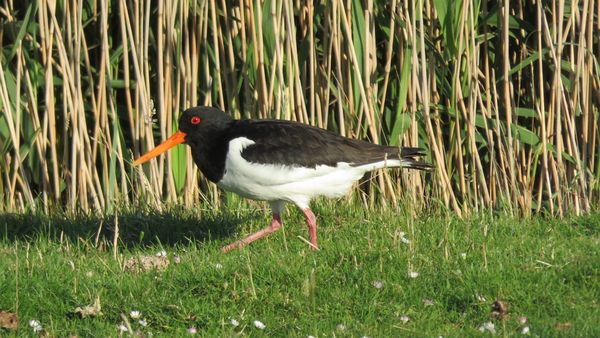
Around 180 species have been recorded in the area. The riverbanks attract waders. Geese and ducks use the grasslands to rest and forage. In winter, you’ll spot wigeons, shovelers, teals, mute swans and grebes, amongst others. In summer, common terns, oystercatchers and skylarks forage there.
The curlew also spends the winter in this area. Take a look at its long, curved beak and listen to its distinctive call.
- Location: Pleijdijk near Westervoort
- Best time to visit: winter for ducks, geese, swans and curlews; summer for common terns, oystercatchers and skylarks


5. Spotting woodpeckers in Sonsbeek Park and Zijpendaal Park
You don’t have to leave Arnhem to spot some remarkable birds. In Sonsbeek Park and Zijpendaal Park, you can stroll amongst ancient trees, water features and open grassy fields. As a result, both urban and woodland birds thrive here.
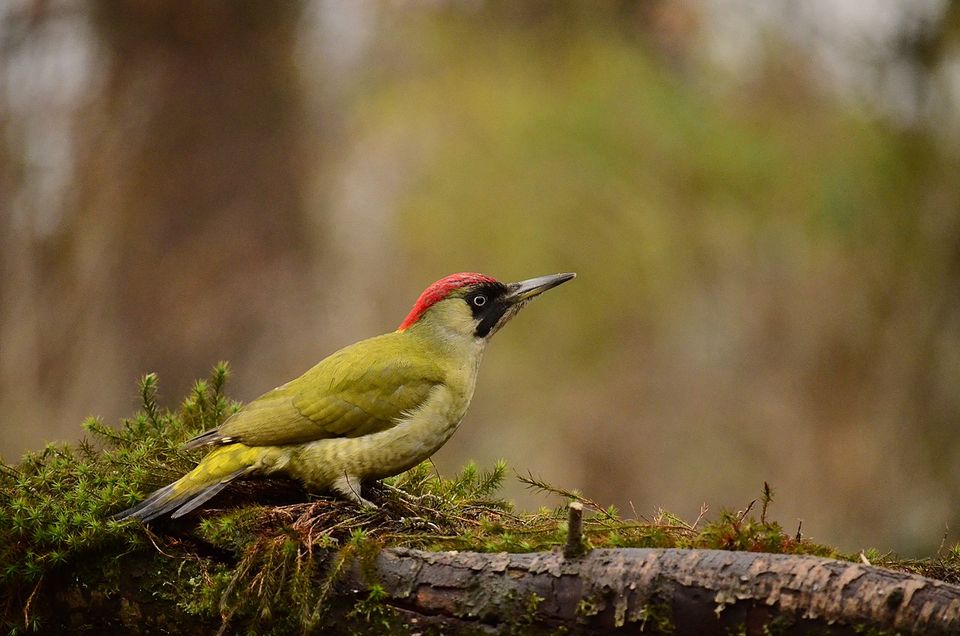
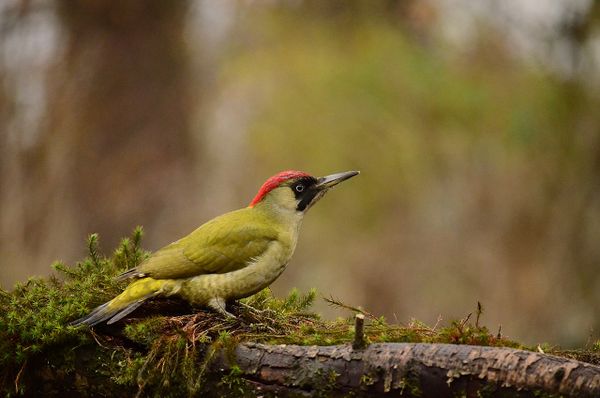
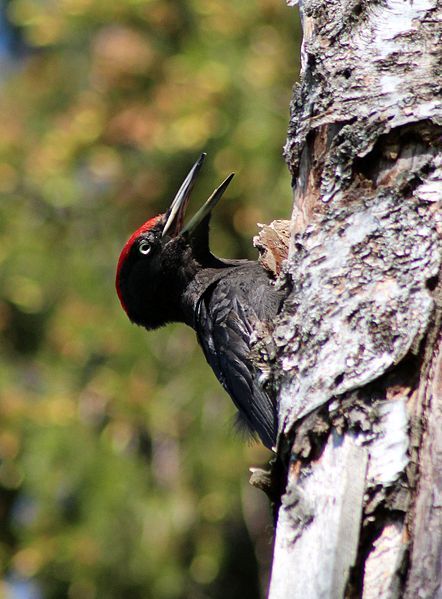
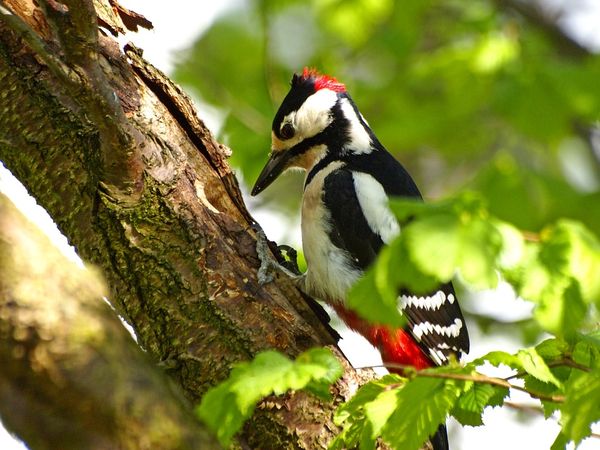
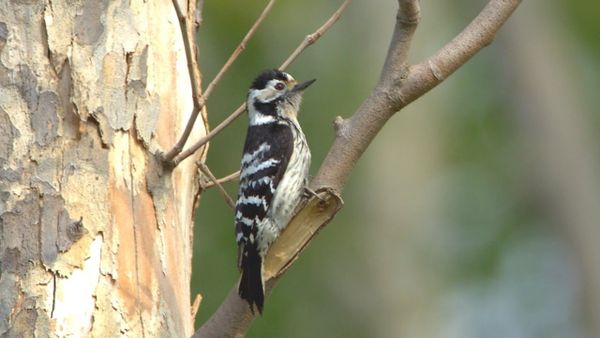
Editor’s tip: listen first before you look up. The drumming against a tree trunk often betrays the presence of a woodpecker. In the two parks, you may come across four species: the green woodpecker, black woodpecker, great spotted woodpecker and lesser spotted woodpecker.
Kingfishers, mute swans, greenfinches and buzzards also live in the parks. In the treetops, you may spot Eurasian treecreepers, Eurasian nuthatches and firecrest birds. There is also a colony of grey herons.
- Locations: Sonsbeek Park and Zijpendaal Park in Arnhem
- Want to discover more of Arnhem’s natural beauty? Read our tips for walking in the region too
Which woodpeckers might you spot here?
-
Green woodpecker
-
Black woodpecker
-
Great spotted woodpecker
-
Lesser Spotted Woodpecker
Tips for the novice birdwatcher
Benno van den Hoek is an experienced birdwatcher and a member of the Noord-Veluwe Bird Protection Patrol. His main piece of advice is simple: look carefully around you. Not just straight ahead, but also to the left, right and above you.
1. What should you take with you for birdwatching?
‘Binoculars and a bird guide are a good starting point. With binoculars, you can see details of the beak, legs and feathers. These features help you to identify the species. A notebook or bird app can also be useful. Make a note of where and when you saw a bird. If in doubt, take a moment to look it up later.’
2. How do you find and identify a bird?
‘First, slowly scan your surroundings. Look at treetops, bushes, riverbanks and open water. Do you see any movement? If so, point your binoculars at that spot.’
Next, observe the shape and length of the beak, the colour of the feathers, the length of the legs, the way it flies, the sound it makes and the landscape in which the bird is situated. Only approach it if you can do so without disturbing it. A bird that flies away, makes warning calls or moves restlessly needs more space.’
3. Why are calm and patience important here?
‘If you stand still, you’ll see more. After a while, birds often resume their normal behaviour. You’ll then see them foraging for food, gathering nesting material or moving amongst the branches. Patience also helps with identifying species. Sometimes you only see a silhouette at first. A moment later, the bird turns round and that distinctive detail becomes visible.’
4. When is the best time for birdwatching?
‘That depends on the season. In summer, birds are often active early in the morning and at dusk. In winter, the time of day usually makes less difference. The season also determines which species you’ll see. Spring is all about singing and breeding. In spring and autumn, many birds migrate through the Netherlands. Winter brings geese, ducks and other overwintering birds to wetlands. Furthermore, the distribution and numbers of birds change over time.’
5. Where do you
start with birdwatching?
‘
“Start close to home, in a city park or at a birdwatching hide. You’ll come across plenty of common species there. That way, you’ll learn to recognise the differences step by step. Sonsbeek Park and Meinerswijk are therefore great starting points. Would you like to go birdwatching in the Veluwe? Then head to Veluwezoom National Park and look out for woodland and heathland birds from the Posbank.”’
You might also find this interesting
-
The most beautiful country estates in the Arnhem region
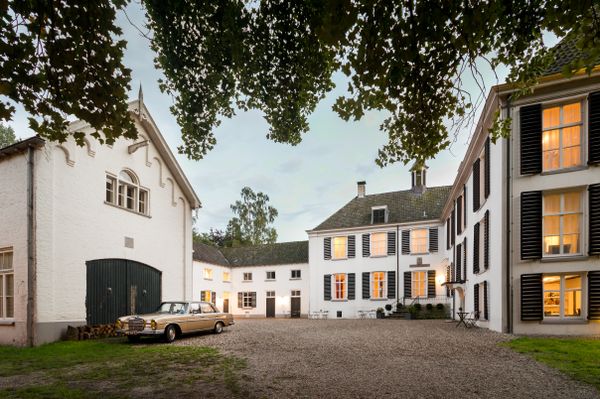
Discover 10 beautiful country estates in the Arnhem region. Stroll past country houses, woods and ancient avenues in Arnhem, De Liemers, the Betuwe and the Veluwezoom.
-
Sinterklaas in the Arnhem region

Discover the grand parades and Sinterklaas celebrations in Rosendael and Doorwerth. Check out the best Sinterklaas outings for 2026 in the Arnhem region with children.
-
8 lovely autumn walks in the Arnhem region
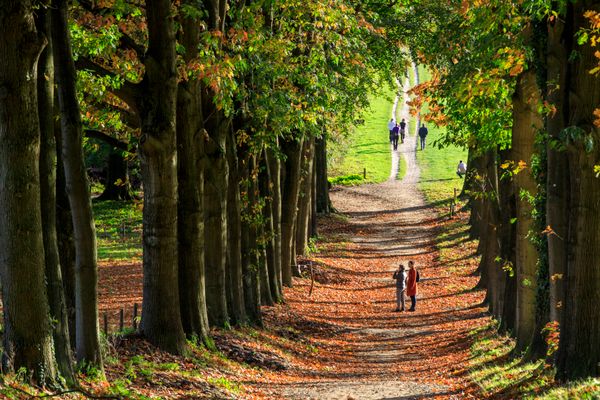
Discover 8 atmospheric autumn walks on the Veluwezoom, in the Liemers and the Betuwe. From colourful forests and old country estates to castles, streams and sweeping landscapes.
Frequently asked questions about birdwatching in the Arnhem region
In Gelderland, you can go birdwatching in Meinerswijk, the Velperwaarden, Veluwezoom National Park and the Hondsbroekse Pleij, amongst other places. Arnhem’s Sonsbeek and Zijpendaal parks also attract a wide variety of species. Head to the floodplains for waterbirds and migratory birds, and visit the woods or heathland for woodpeckers, ravens and tree larks.
Veluwezoom National Park is a lovely spot for birdwatching in the Veluwe. Around the Posbank, you’ll find woods, heathland and high vantage points. Among other species, you may spot the stonechat, tree lark, raven and great grey shrike. Natuurmonumenten describes the Veluwezoom as a varied area with woods, heathland, sand drifts and a rugged landscape.
The Netherlands is home to many remarkable bird species. Around Arnhem, you can spot the kingfisher, spoonbill, great grey shrike, black woodpecker, great white egret and tree lark, amongst others. Which species you encounter depends on the landscape and the season.
Many birds are active early in the morning and around sunset. In spring, you’ll hear plenty of songbirds. Spring and autumn are good times to spot migratory birds. In winter, you’ll see large flocks of geese and ducks in the floodplains.