
Keep the memory alive: Operation Market Garden
In September 1944, the Allies launched one of the largest military operations of the Second World War. Operation Market Garden was a daring plan devised by British Field Marshal Bernard Montgomery. The aim of his plan was to secure control of the bridges over the Maas, Waal and Rhine rivers in the Netherlands by dropping paratroopers. This would allow ground forces to advance northwards to liberate the Netherlands. The rest of Western Europe could then be liberated. Dropping the paratroopers was a risky plan because they would land in German-controlled territory.
Operation Market Garden consisted of two parts. Operation Market, the largest airborne operation ever, was the code name for the landing of Allied troops in Arnhem, Nijmegen and Eindhoven. These troops were tasked with recapturing the key bridges over the three major rivers and the surrounding areas from the Germans. Operation Garden was the name given to the ground forces’ operation. They were tasked with advancing from Belgium to Arnhem in just three days to come to the aid of the airborne troops.
The operation was highly ambitious, and every aspect had to go according to plan for it to succeed. Ultimately, however, this was not the case. For instance, the ground forces made a difficult advance, meaning they never reached Arnhem. The distances between the airdrop zones and the bridges were also far too great. The aim was to give the paratroopers time to organise themselves. However, during that same time, the Germans were also able to prepare, resulting in fierce resistance. The small division of the British Parachute Corps that did manage to reach Arnhem fought for three days, after which they ran out of ammunition and were forced to surrender.


Following the successful Battle of Nijmegen, the bridge at Arnhem proved to be, quite literally, ‘a bridge too far’. Operation Market Garden had failed and the Germans were furious. It was the civilians, in particular, who bore the brunt of the consequences. The Germans destroyed Arnhem, carried out reprisals against the resistance, and their fury ultimately led to the Hunger Winter. The liberation of Arnhem was not until April 1945, and it was not until 5 May 1945 that all Dutch people were able to enjoy their freedom once more.
Every year in September, events are held at various locations to commemorate the events that took place during Operation Market Garden. View all the events in the Airborne region here
. Visit one of the exhibitions, attend a commemoration and experience the impact of war and the value of peace at The Bridge to Liberation Experience. This is how we keep the memory alive together!
-
Airborne Museum at Hartenstein
Airborne Museum at Hartenstein

-
Airborne at the Bridge
Airborne at the Bridge

You might also like:
-
Christmas holiday getaways around Arnhem
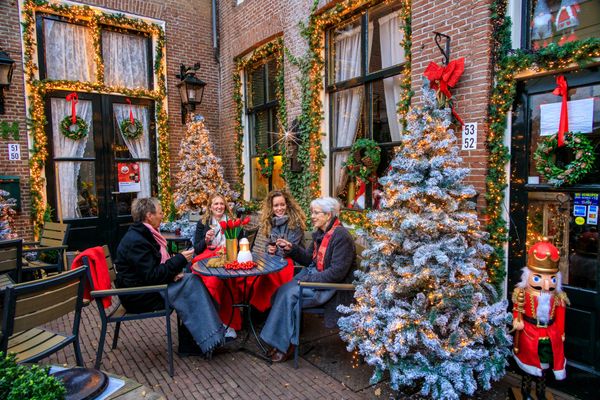
The Christmas holidays are the perfect time to spend quality time together and get out and about. We’re delighted to share our tips for the best days out in the Arnhem region!
-
Walking the dog

Around Arnhem, you can head in any direction with your dog. Beech-lined avenues on the old country estates, heathland on the Veluwezoom, city parks close to the station and new green spaces between Arnhem and Nijmegen.
-
The most beautiful country estates in the Arnhem region
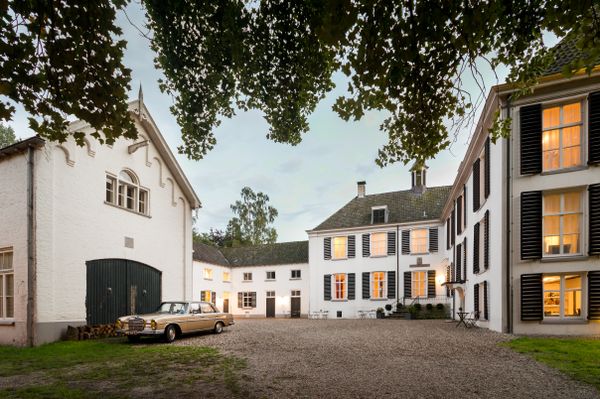
Discover 10 beautiful country estates in the Arnhem region. Stroll past country houses, woods and ancient avenues in Arnhem, De Liemers, the Betuwe and the Veluwezoom.
-
Sinterklaas in the Arnhem region
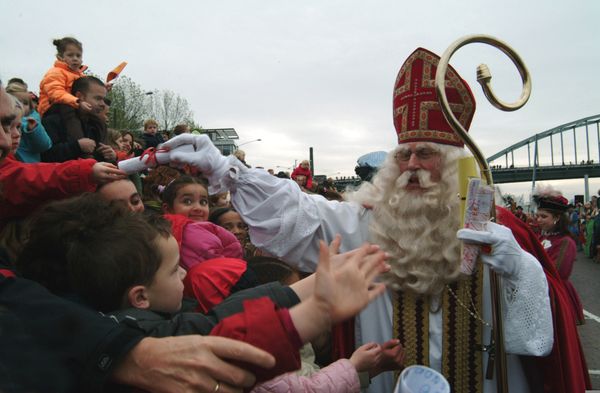
Discover the grand parades and Sinterklaas celebrations in Rosendael and Doorwerth. Check out the best Sinterklaas outings for 2026 in the Arnhem region with children.
-
8 lovely autumn walks in the Arnhem region
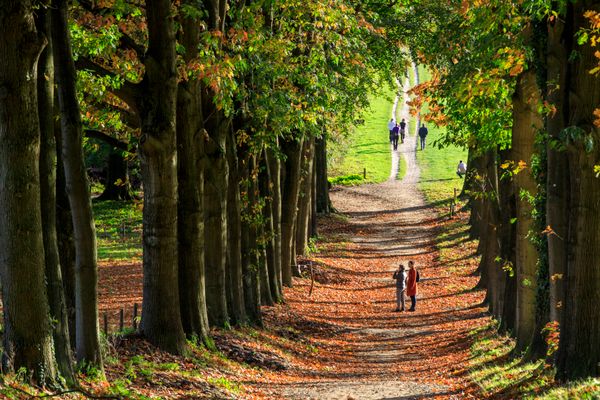
Discover 8 atmospheric autumn walks on the Veluwezoom, in the Liemers and the Betuwe. From colourful forests and old country estates to castles, streams and sweeping landscapes.
-
Top autumn half-term getaways 2026
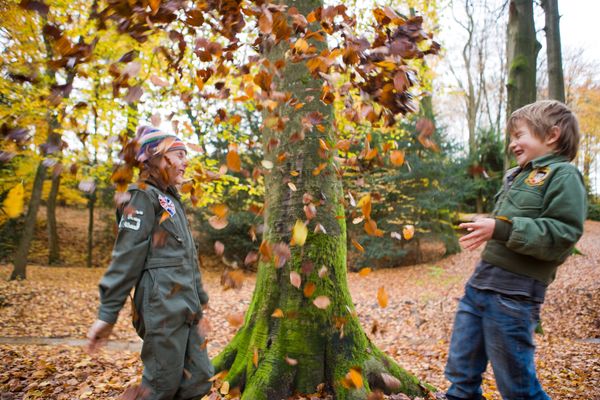
Leaves are turning brown, and the rain is pouring down. It’s clear – autumn has begun! No idea what to get up to with your children this autumn half-term? We’ve put together a few tips to help you make the most of your break.
-
Staying overnight in the countryside
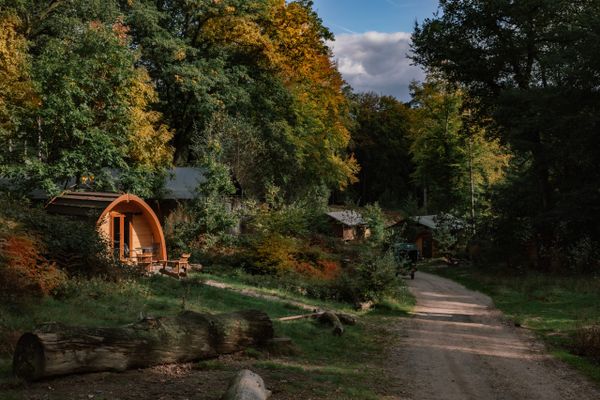
Fancy a unique overnight stay in the countryside around Arnhem? Discover charming lodges, forest cabins, country estates and waterside accommodation for a relaxing night away surrounded by nature.
-
8 war museums in the Arnhem region
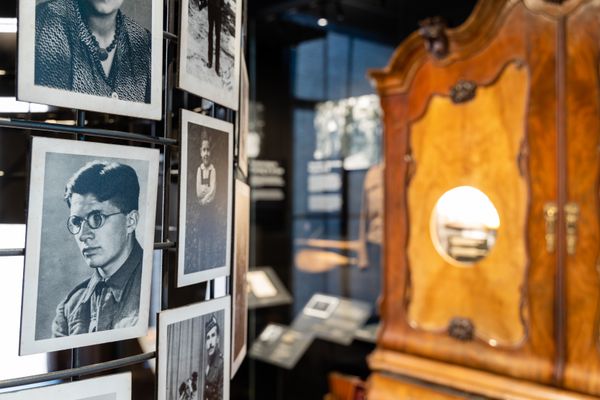
Discover 8 war museums in the Arnhem region and stories about Market Garden, the occupation and freedom.
-
The best museums in the Arnhem region
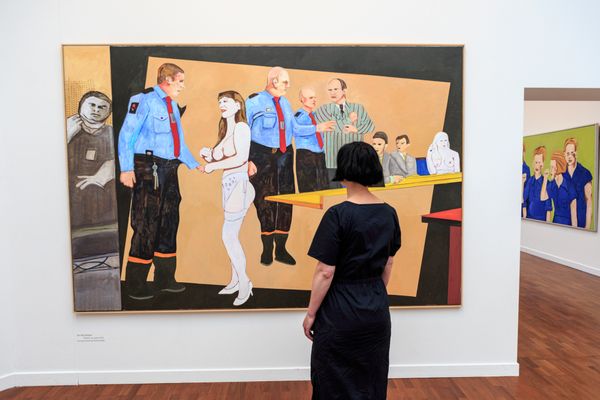
Looking for a museum in or around Arnhem? Discover the finest museums in the Arnhem region. From Museum Arnhem and the Airborne Museum to hidden gems such as Fort Pannerden and the Liemers Museum. Here are 10 tips.
-
Nature reserves in the Arnhem region
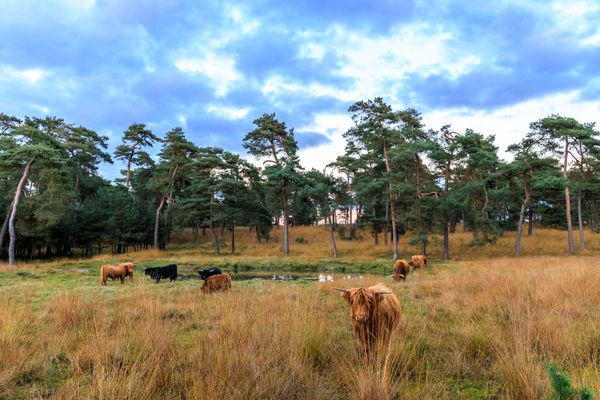
Fancy a day’s walking or cycling in the Arnhem region? There are several beautiful nature reserves to be found in the Arnhem region. We’ve put together an overview of a number of them.