
‘The Battle of Arnhem is also about solidarity’
An inspiring conversation with the director of the Airborne Museum Hartenstein and the Airborne Museum at the Bridge.
One of Oosterbeek’s most beautiful villas, Hartenstein, is home to the Airborne Museum. It’s no coincidence that it’s here, explains director Ronnie Weijers in his office in the museum’s attic. ‘This was the headquarters of the British troops – the Airborne Division – during the Battle of Arnhem in September 1944.’ The museum’s other site, the Airborne Museum at the Bridge, is also steeped in history. It is situated next to the famous John Frost Bridge in Arnhem – the very spot where such fierce fighting took place in 1944.
Growing interest
When experiencing wartime history – and, specifically, the Battle of Arnhem – you might first think of the clang of weapons, combat and a city in ruins. But it’s also about values, says Ronnie. About what brings people together, what connects us and what we’re prepared to take risks for. About a willingness to make sacrifices. ‘That’s what makes the stories of the Battle of Arnhem so relevant today.’ The Airborne Museum Hartenstein in Oosterbeek and the Airborne Museum at the Bridge are entirely dedicated to this battle, one of the most famous battles of the Second World War. This battle still captures the imagination. The museum’s growing visitor numbers reflect this interest: from 75,000 in 2010 to 90,000 last year. Ronnie: ‘It’s a very diverse audience, of all ages and backgrounds – our visitors come from all over.’
- Location: Utrechtseweg 232, Oosterbeek
- Opening hours: open daily; check the current opening hours on the museum’s website
- Tip: Be sure to visit the Airborne Cemetery near the museum – it makes the stories and impressive history feel even more tangible.
-
Airborne Museum Hartenstein
Airborne Museum Hartenstein
Oosterbeek

“One of the most famous battles of the Second World War, the Battle of Arnhem, reflects human values that remain relevant today, such as caring for one another and a spirit of sacrifice.”
Ronnie Weijers, Airborne Museum
Personal stories
‘The war isn’t just a collection of maps, guns and uniforms at the Airborne Museum,’ Ronnie emphasises. ‘Of course, those are important too if you want to tell the story of the Battle of Arnhem. But what it’s really about are the personal stories. The stories of the British, Poles and others who were prepared to risk their own lives here to help others. The stories of civilians who helped and cared for the wounded. Their willingness to do whatever was necessary.’
The museum tells these stories through artefacts – items belonging to soldiers, nurses and civilians that are still in good condition and whose stories can be pieced together. Ronnie’s personal favourite is the hunting horn belonging to John Frost, the British commander who managed to capture part of the city bridge over the Rhine from the Germans. After days of fighting, Frost was forced to surrender, after which it took almost another year for the Allies to liberate the north of the Netherlands. ‘What if Frost hadn’t had that horn? What if he hadn’t been able to rally his battalion in time?’ Ronnie points to the horn once more. ‘If it hadn’t been there, the bridge might have had a different name by now.’
An unforgettable experience
As a conscript, Ronnie took part in an observation mission in the former Yugoslavia, which left an indelible impression on him. ‘War is something you want to avoid at all costs. Yet it is something every country has experienced, something that has affected people in almost every family. In the Netherlands, we can now live in freedom, but that didn’t happen by itself.’ For a number of years, Ronnie worked as Head of Public Affairs at the National Military Museum in Soesterberg, until he made the move in 2020 to become director of the Airborne Museum. A special opportunity. ‘I grew up in this area and knew the museum from my own childhood.’
True to life
Of course, a lot has changed since then. ‘A new generation of visitors prioritises things very differently. Their prior knowledge is declining, as is their reading ability.’ The Airborne Experience, located in the basement of the museum since 2008, ensures in an innovative way that the story of the Battle of Arnhem also reaches new generations. Once inside the underground space, you find yourself immediately in the midst of the war. Surrounded by stories and in lifelike settings, you walk further and further through the chaotic days of September 1944. The museum has already won several awards for the Airborne Experience, Ronnie explains proudly.

“‘Freedom and hospitality have extra significance in this region because of the Battle of Arnhem’”
Ronnie Weijers, Airborne Museum
The heart of the region
The Airborne Museum holds a special place at the heart of the region. Ronnie: ‘People here feel a connection to the museum. Especially those who are originally from this area. They may still have relatives who lived through the Battle themselves.’ From the airborne landings in Ede to the John Frost Bridge in the centre of Arnhem: the Battle unites a large part of the region. ‘And that carries over into the present day. For example, there is strong support here in the region for taking in refugees. Freedom and hospitality really mean something in this region. After all, it was only two generations ago that entire families had to flee from here themselves in September ’44 – towards Apeldoorn, for example.’
A space for remembrance
Every September, large numbers of Britons still flock to the commemorations and visit the Airborne Museum – veterans, relatives of the fallen and members of the royal family alike. Ronnie, for instance, recently had the honour of showing Princess Anne round the museum. ‘The room of silence made a big impression on her. Here, the decorations of military personnel and civilians are displayed, accompanied by their names and – more recently – the option to scroll through these people’s biographies. It is a space to commemorate and reflect on these lives.’
Stories galore
The Airborne Museum intends to maintain its focus on the Battle of Arnhem. ‘That’s what sets us apart,’ says Ronnie. ‘But that focus doesn’t mean we’re standing still. If we want to continue to convey the story effectively to new generations, adaptation and innovation are essential. There are plenty of stories. About St Elisabeth’s Hospital in Arnhem, for example, where the wounded were cared for in 1944 – we currently have a temporary exhibition on that. And soon there’ll be one about the recovery and identification team that’s still searching for the approximately 600 missing Allied soldiers in our region. Yes, the Battle of Arnhem can be that relevant today.’
Inspiring entrepreneurs
This article is the second in a series in which we interview entrepreneurs – and directors of entrepreneurial foundations – from the Arnhem region. We share personal and inspiring stories that show how they contribute to the region’s strength.
-
In conversation with Robbert Hulsteijn

In this interview with Robbert Hulsteijn, kitchen manager at the Topsportrestaurant in Papendal, you can read more about how he creates healthy and innovative dishes for elite athletes and business guests. The interview also explores the role of nutrition in a sporting environment and the influence of nature and the surroundings on his approach to cooking.
-
A conversation with Hans Verbugt

The article “In conversation with Hans Verbugt” explores Hans Verbugt’s vision of culture and the role of theatre in Arnhem. It highlights that Musis & Stadstheater Arnhem is a key cultural hub of the city, providing a stage for both major national artists and up-and-coming talent.
Frequently asked questions
The Airborne Museum tells the story of the Battle of Arnhem and illustrates the impact this event had on soldiers, civilians and the region. Personal accounts and historical artefacts play a key role in this narrative.
As well as historical collections, the museum offers an interactive experience, such as the Airborne Experience, in which visitors relive the events of September 1944 in an impressive and lifelike way.
The stories from the war are not just about struggle, but also about freedom, solidarity and a willingness to make sacrifices. These are themes that remain relevant today and continue to move people.
The museum has strong ties to the region and plays an important role in commemorations. Many residents feel a connection to the history of the Battle of Arnhem and the stories associated with it.
The Airborne Museum continues to innovate with interactive displays, temporary exhibitions and new ways of storytelling to keep history accessible and relevant to younger visitors.
Looking for more inspiration?
-
The most beautiful country estates in the Arnhem region
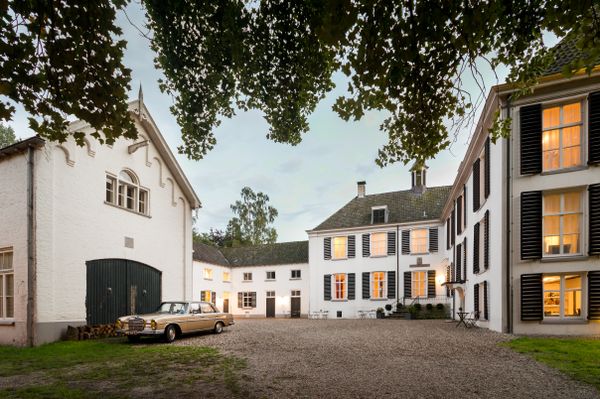
Discover 10 beautiful country estates in the Arnhem region. Stroll past country houses, woods and ancient avenues in Arnhem, De Liemers, the Betuwe and the Veluwezoom.
-
Sinterklaas in the Arnhem region
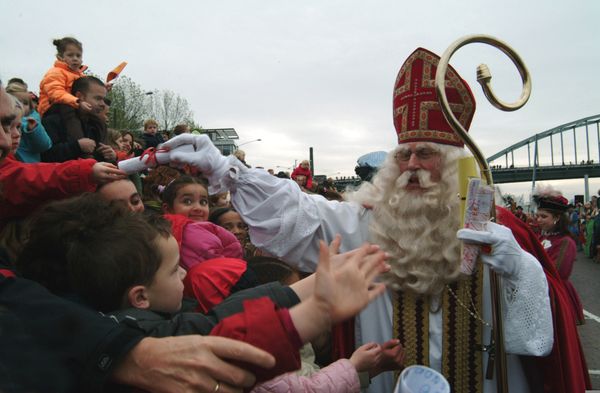
Discover the grand parades and Sinterklaas celebrations in Rosendael and Doorwerth. Check out the best Sinterklaas outings for 2026 in the Arnhem region with children.
-
8 lovely autumn walks in the Arnhem region
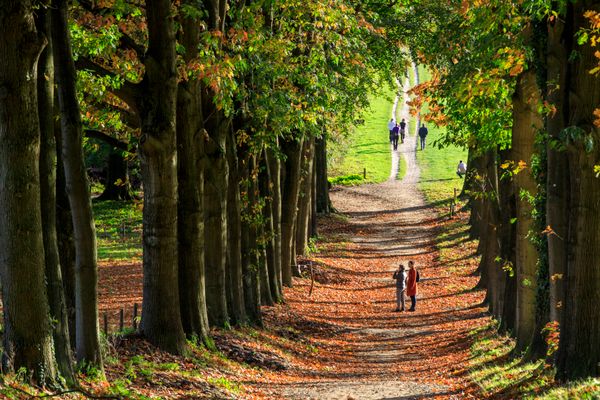
Discover 8 atmospheric autumn walks on the Veluwezoom, in the Liemers and the Betuwe. From colourful forests and old country estates to castles, streams and sweeping landscapes.